
Seo optimisation
Table of content:
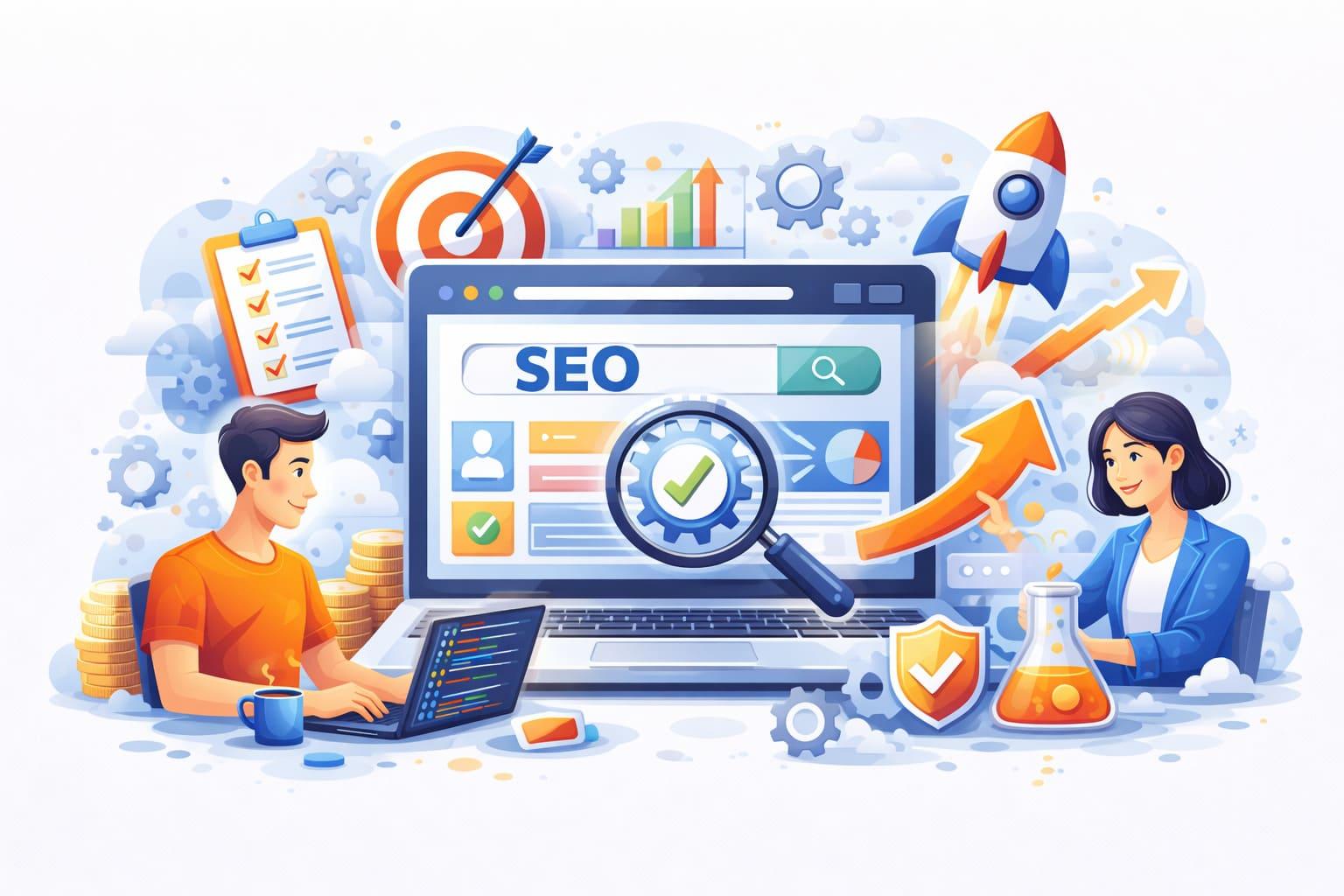
Search engine optimization is a critical part of building a successful website. Even the most visually appealing and technically advanced website cannot generate traffic if it is not properly optimized for search engines. SEO optimization focuses on improving how search engines understand, index, and rank website content while also enhancing the overall user experience.
Professional SEO optimization involves a combination of technical improvements, content optimization, and strategic planning. The goal is to increase organic traffic, improve visibility in search results, and ensure that the website meets modern search engine standards.
SEO Audit and Website Analysis
The optimization process begins with a comprehensive SEO audit. This analysis helps identify technical issues, structural weaknesses, and missed opportunities that may be limiting the website’s search performance.
An SEO audit typically includes:
- analyzing website structure and internal linking
- reviewing page indexing and crawlability
- identifying duplicate or thin content
- checking metadata and heading structure
- analyzing page speed and performance
- detecting broken links and redirects
This detailed analysis provides a clear overview of what needs to be improved in order to strengthen the website’s search engine presence.
Technical SEO Optimization
Technical SEO focuses on improving the underlying structure of the website so that search engines can efficiently crawl and index its content.
Important technical improvements may include:
- optimizing HTML markup and semantic structure
- improving site architecture and navigation
- fixing indexing issues in robots.txt and sitemap files
- implementing canonical tags to prevent duplicate content
- improving URL structure for better readability and indexing
A technically optimized website allows search engines to better understand the content and improves the chances of ranking higher in search results.
Website Speed Optimization
Page speed is one of the most important ranking factors and directly affects user experience. Slow websites increase bounce rates and reduce engagement, which can negatively impact search rankings.
Performance optimization often includes:
- reducing unnecessary JavaScript and CSS
- optimizing image sizes and formats
- implementing lazy loading
- enabling browser caching
- improving server response time
These improvements help ensure that the website loads quickly across all devices and network conditions.
On-Page SEO Optimization
On-page SEO focuses on optimizing individual pages so that they rank for relevant search queries. This involves improving both content and structural elements.
On-page optimization may include:
- optimizing page titles and meta descriptions
- improving heading hierarchy (H1–H6)
- enhancing keyword placement and relevance
- optimizing image alt attributes
- improving internal linking between pages
These improvements help search engines better understand the topic of each page and match it with relevant user queries.
Content Optimization
Content plays a major role in search engine rankings. High-quality, well-structured content helps search engines determine the relevance and value of a website.
Content optimization may involve:
- improving content clarity and structure
- expanding thin or incomplete pages
- optimizing keyword usage
- improving readability and user engagement
- aligning content with search intent
Optimized content increases the likelihood of appearing in search results for valuable keywords.
Structured Data and Schema Markup
Structured data helps search engines interpret content more accurately and enables enhanced search results such as rich snippets.
Implementation may include schema markup using JSON-LD for elements such as:
- articles and blog posts
- products and reviews
- business information
- events and services
Correct structured data implementation improves how pages appear in search results and can increase click-through rates.
Mobile Optimization
Search engines prioritize mobile-friendly websites. A properly optimized mobile experience ensures that users can easily navigate and interact with the website on smaller screens.
Mobile optimization includes:
- responsive design improvements
- optimized mobile navigation
- touch-friendly interface elements
- fast loading on mobile networks
A strong mobile experience improves both search rankings and user satisfaction.
Internal Linking Strategy
Internal links help search engines discover and understand relationships between pages. A well-designed linking structure distributes authority across the website and improves crawl efficiency.
Internal linking optimization may include:
- improving navigation structure
- linking related content pages
- optimizing anchor text
- strengthening connections between important pages
This strategy helps search engines identify key pages and improves overall site structure.
SEO Monitoring and Performance Tracking
SEO is an ongoing process that requires monitoring and continuous improvement. Tracking tools help measure performance and identify opportunities for further optimization.
Monitoring typically includes:
- analyzing organic traffic growth
- tracking keyword rankings
- monitoring indexing status
- reviewing user engagement metrics
- identifying new optimization opportunities
Regular analysis ensures that the website continues improving its search visibility.
Long-Term SEO Strategy
SEO optimization is most effective when combined with a long-term strategy. Continuous improvements in content, technical performance, and user experience allow the website to remain competitive in search results.
A well-executed SEO strategy helps businesses attract qualified traffic, improve online visibility, and build a sustainable source of organic growth. By combining technical optimization, high-quality content, and strong site architecture, professional SEO services create a foundation for long-term search engine success.
Recommended Services
Explore other services that can help improve performance, stability and growth of your website.

Website Audit Service
API integration
WordPress Development

Custom WordPress Theme Development

Custom WordPress Plugin Development

WooCommerce Development

Website Testing and Bug Hunting

MVP Development

Website Speed optimisation

Website Support and Maintenance Services

Website Redesign and Rebranding Services

Code Refactoring and Architecture Improvement

Website Bug Fixing Service